
U.S. Forces Capture Venezuelan President and Wife in Dramatic Operation
The capture unfolded in the predawn hours of January 3 after U.S. military aircraft and special forces struck multiple strategic sites around Caracas, the Venezuelan capital. The operation, ordered by U.S. leadership and carried out under a campaign described by American officials as targeting alleged criminal networks, culminated in Maduro and Flores being taken from their residence and swiftly flown out of Venezuelan territory. Both were transported first to a U.S. Navy vessel offshore and then to the United States, where they were brought into federal custody in New York. Once in U.S. custody, Maduro and his wife faced arraignment in a federal court in Manhattan. Prosecutors presented a superseding indictment accusing the couple of serious crimes, including involvement in narco-terrorism and drug trafficking conspiracies. In court, both Maduro and Flores entered not guilty pleas to all charges. Maduro maintained he was innocent of the allegations and asserted that he remained the legitimate president of Venezuela. Flores likewise denied wrongdoing, and her legal team raised concerns about her treatment during the capture. The capture marked a dramatic end to Maduro’s more than decade-long rule in Venezuela and triggered sharp international reactions. In Caracas, Venezuela’s vice president was sworn in as interim president according to the nation’s constitutional succession process. However, Maduro’s supporters and several foreign governments condemned the U.S. action as a violation of international law and Venezuelan sovereignty, with officials denouncing it as an unlawful kidnapping. Back in the United States, political leaders and legal experts debated the operation’s legality and broader implications. Supporters of the mission described it as a necessary step to bring alleged long-running criminal activity to justice, while critics warned that forcibly detaining a sitting head of state set a dangerous precedent for global norms and could inflame tensions throughout the region. As Maduro and Flores await further legal proceedings in the U.S. justice system, the situation has left Venezuela’s political future uncertain. The international community continues to watch closely as the repercussions of the operation unfold, both within Venezuela and across diplomatic and geopolitical arenas.
Read More →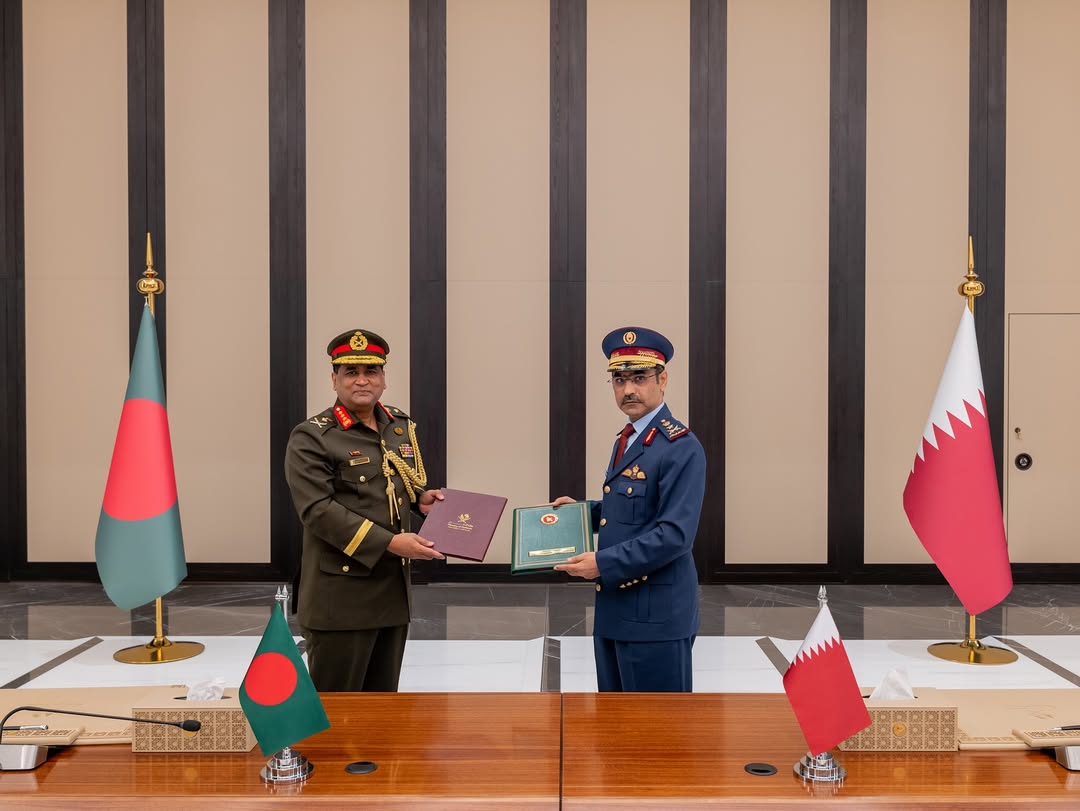
Bangladesh–Qatar Military Personnel Exchange: A New Era of Cooperation
The deal was formalized in Doha by Lt Gen S.M. Kamrul Hassan, Principal Staff Officer of Bangladesh’s Armed Forces Division, and Lt Gen (Pilot) Jassim bin Mohammed Al Mannai, Chief of Staff of the Qatar Armed Forces. Initial Deployment: About 800 Bangladeshi personnel are to be sent to Qatar under this agreement. Contract Length: The deputation is set for an initial term of three years, with a possibility to extend up to six years depending on performance. Financial & Strategic Benefits: For Bangladesh, this deal represents a significant opportunity. The deployed personnel will earn abroad, and in turn, the Bangladeshi government expects to earn a notable amount of foreign currency. Beyond financial gain, the move reflects enhanced trust in the professionalism and skill of Bangladesh’s forces. Long-Term Vision: While the current number stands at 800, both sides have indicated that this number may increase in the future. The agreement is not just transactional—it’s meant to deepen long-term defence ties and cooperation. Why This Matters Bangladeshi troops, who have substantial experience (including UN peacekeeping missions), will now have the opportunity to serve in a Gulf nation’s armed forces. This is a validation of their training, discipline, and adaptability. The agreement is a concrete outcome of sustained diplomacy. Earlier this year, high-level visits — including that of Bangladesh’s Chief Adviser — helped set the stage for this pact. The deal signals not just military cooperation but a broader strengthening of bilateral ties. Beyond the salaries for individual servicemembers, Bangladesh stands to benefit from inward remittances and potentially other ancillary economic gains tied to this defence relationship. For Qatar, tapping into a pool of trained, disciplined foreign personnel may help diversify and professionalize aspects of its armed forces. For Bangladesh, this extends its footprint and influence in the Gulf in a measured, strategic way. Bangladeshi personnel will need to adapt to Qatar’s military culture, climate, and operational procedures. Cultural and organisational alignment will be key. Ensuring that deployed personnel maintain high performance standards will be crucial, especially if contracts are extended to six years. While there’s room to expand beyond 800, scaling up will require carefully managed recruitment, training, and negotiation to maintain quality and mutual benefit. This agreement marks a significant milestone in Bangladesh–Qatar relations. It is not simply a manpower export deal: it's a symbol of mutual trust and ambition. For Bangladesh, it opens a new avenue where its armed forces can contribute abroad, bring in foreign currency, and project professional excellence. For Qatar, it's a way to tap into a reliable, disciplined workforce. If managed effectively, this partnership could grow beyond its first cohort of 800, becoming a robust pillar of bilateral strategic cooperation.
Read More →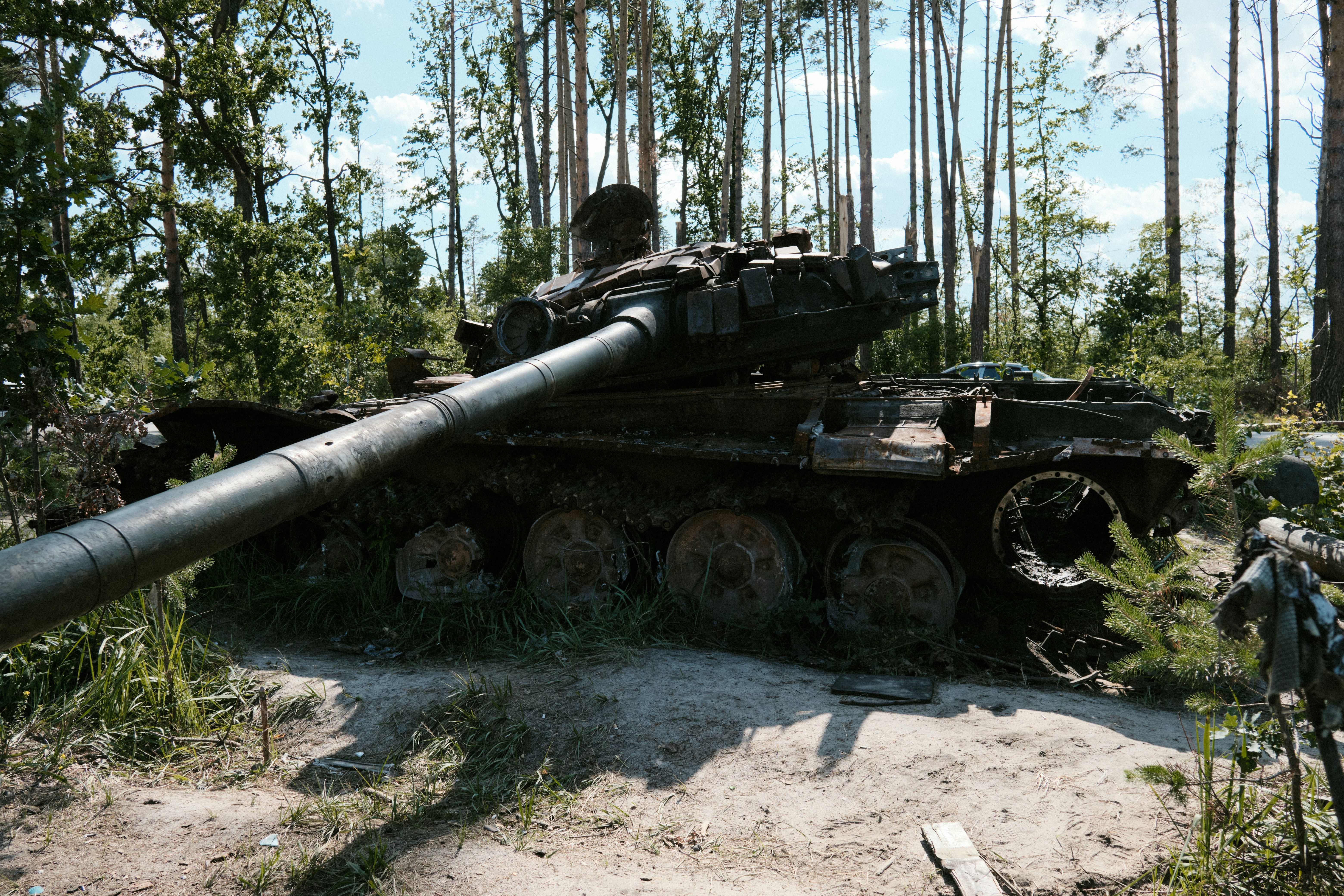
Ukraine Alleges Russia Recruited Over 1,400 Africans to Fight in War
According to Ukraine’s Foreign Minister Andrii Sybiha, the recruits were often misled with offers of employment, education, or fast-tracked citizenship in Russia, only to find themselves signing military contracts written in Russian that they could not fully understand. Many, he said, were quickly sent into dangerous combat roles with minimal training. “Foreign citizens in the Russian army face a tragic fate,” Sybiha stated. “They are often thrown into what our soldiers call ‘meat assaults,’ where they are treated as expendable and suffer extremely high casualties.” Ukraine’s defense intelligence agency said many of these fighters were captured during their first missions, suggesting that they were placed in high-risk operations with little preparation. Officials believe Russia is targeting citizens from economically vulnerable African nations where high unemployment and limited opportunities make such offers appear legitimate. Recruitment Through Deception Investigations indicate that recruitment drives were carried out through social media, private contractors, and intermediaries in countries such as Kenya, Nigeria, South Africa, and Zimbabwe. Many recruits were promised non-combat jobs, such as construction or logistics work, but ended up on the battlefield shortly after arrival. Several African governments have begun investigating reports that their citizens are among those fighting for Russia. South Africa has confirmed an inquiry into at least 17 of its nationals allegedly recruited under false pretenses. Kenyan officials have also expressed alarm, noting that young men were “lured abroad with promises of legitimate employment, only to find themselves trapped in a war zone.” Human rights groups have called for a coordinated African response, warning that the recruitment of civilians for foreign wars — particularly through deception — may violate international law and constitute human trafficking. Strategic and Ethical Implications Analysts say Russia’s increasing reliance on foreign nationals highlights both manpower shortages and desperation to sustain its war effort as domestic casualties mount. The use of non-Russian recruits for high-risk missions, they note, suggests an attempt to limit Russian losses while maintaining offensive pressure. For Africa, the allegations present a troubling picture of economic vulnerability being exploited for geopolitical gain. Experts warn that such recruitment networks could expand if left unchecked, turning struggling young people into tools of foreign conflict. Ukraine’s government has urged African leaders to issue public warnings to their citizens and cooperate in tracking recruitment activity linked to Russian entities. Kyiv maintains that it will continue to publicize such cases as part of its effort to expose what it calls “Russia’s exploitation of the global poor for its war of aggression.” As of now, Russia has not officially commented on the allegations. However, international observers note that the pattern of foreign recruitment — including prisoners, mercenaries, and now allegedly Africans — reflects the Kremlin’s growing dependence on unconventional manpower sources as the war grinds on. If confirmed, Ukraine’s findings would mark one of the largest known cases of African nationals being drawn into a modern European conflict — a stark reminder that the war’s reach and consequences extend far beyond the borders of Eastern Europe.
Read More →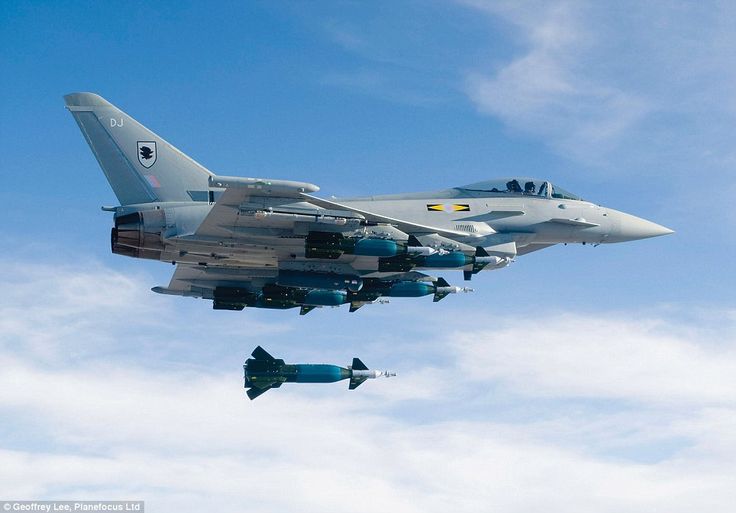
Bombs Away! Turkey Signs Massive €9 Billion Eurofighter Deal with the UK
A New Chapter in Turkey’s Air Power For Turkey, this deal is about far more than just buying planes — it’s about modernizing its air fleet and securing its place among leading NATO air forces. Turkey’s current combat aircraft are mostly aging F-16s, many of which have been in service for decades. The Eurofighter Typhoon, a 4.5-generation multirole fighter, brings a huge leap in technology — combining advanced radar systems, superior maneuverability, and both air-to-air and ground-attack capabilities. But the timing is especially important. Turkey’s own fifth-generation stealth fighter, the TAI KAAN, is still in development and isn’t expected to enter service until at least 2028. The Eurofighter fleet will serve as a crucial bridge between the older F-16s and the upcoming KAAN. What’s in the Deal: Under the agreement, Turkey will receive 20 new Eurofighter Typhoons built by a European consortium led by the UK, with participation from Germany, Italy, and Spain. The first aircraft are expected to begin delivery around 2030. Beyond the 20 new jets, Ankara is reportedly exploring the purchase of additional second-hand Typhoons from other countries — including Qatar and Oman — to quickly boost its air capabilities. The UK government hailed the deal as a major victory for its defence industry, with Prime Minister Starmer noting that it will support more than 20,000 British jobs across the aerospace sector. This agreement carries heavy geopolitical weight. First, it signals a renewed alignment between Turkey and key NATO partners, particularly the UK. Over the past few years, Turkey’s relationship with Western allies has seen tensions — from its suspension from the F-35 program to disputes over regional policies. This deal is a strong step back toward collaboration and interoperability within NATO. Second, it shows Turkey’s growing desire to diversify its defence suppliers. Rather than relying solely on U.S. or domestic systems, Ankara is strengthening ties with European partners. The Eurofighter, being a NATO-standard platform, fits neatly into Turkey’s modernization plans without conflicting with its long-term goal of developing indigenous technology. The Eurofighter Typhoon is not a new aircraft — but it remains one of the world’s most capable multirole fighters. It can perform air-superiority missions, precision strikes, and reconnaissance with equal effectiveness. For Turkey, acquiring the Typhoon means: Immediate access to modern 4.5-generation technology Enhanced deterrence against regional rivals Stronger integration with European air forces A smoother path toward KAAN, which will draw on experience gained from operating advanced Western fighters It’s also a win for the Eurofighter consortium, whose production lines in the UK, Germany, Italy, and Spain will stay active well into the 2030s thanks to this deal. Like any major arms deal, this one isn’t without controversy. Germany had long been hesitant about approving Eurofighter exports to Turkey due to political and human-rights concerns, but eventually cleared the way after negotiations between London, Berlin, and Ankara. Critics in the UK have also questioned selling high-tech jets to a government that has faced scrutiny over press freedom and regional military operations. Still, London insists the deal aligns with NATO’s shared security goals and strengthens collective defence. There are also practical challenges. Deliveries will take several years, and the total cost — including maintenance, weapons, training, and integration — could exceed initial estimates. Turkey will need to manage its defence budget carefully to ensure the Typhoons complement, not compete with, its domestic fighter program. In the coming months, expect discussions between Turkey and the UK on training programs, logistics, and possible technology transfers. Ankara may also negotiate partial assembly or maintenance work domestically to involve its growing aerospace industry. Meanwhile, regional analysts are watching closely to see how Greece and other neighbouring countries respond. With both sides of the Aegean investing heavily in next-generation fighters — Greece with its Rafales and F-35s, and Turkey now with Typhoons — the regional balance of air power is entering a new era. At its core, this deal is more than a military transaction — it’s a statement of intent. Turkey is signaling that it plans to remain a key military power within NATO, a technologically independent actor in its own right, and a player capable of balancing both Western and domestic defence priorities. The Eurofighter Typhoon purchase won’t just fill the skies with new aircraft — it’s set to redefine Turkey’s strategic posture for the next decade. Turkey’s €9 billion Eurofighter Typhoon deal marks a major turning point for its air force and its foreign policy. It boosts its air-combat strength, bridges the gap until the KAAN is ready, and strengthens ties with Europe — all while reviving one of Europe’s most advanced fighter-jet programs. It’s a powerful reminder that in modern geopolitics, air superiority isn’t just about aircraft — it’s about alliances, influence, and the future of national defence.
Read More →